Federal government
Wintersession 2024
The 2022 winter session took place from 28 November to 16 December and was marked by the election of a new Federal Council member. In the energy sector, the councillors were primarily concerned with motions and the Glacier Initiative. In the National Council, the motions by Christoph Eymann (LDP, Canton of Basel-Landschaft) and Gabriela Suter (SP, Canton of Aargau) were approved after some differences were resolved. Christoph Eymann wants to push ahead with measures in the building sector, such as energy-efficient Minergie-P measures to reduce energy losses. Gabriela Suter's motion asks the Federal Council to develop a strategy for green hydrogen in Switzerland. The strategy aims to show how green hydrogen use can help make Switzerland more climate neutral.
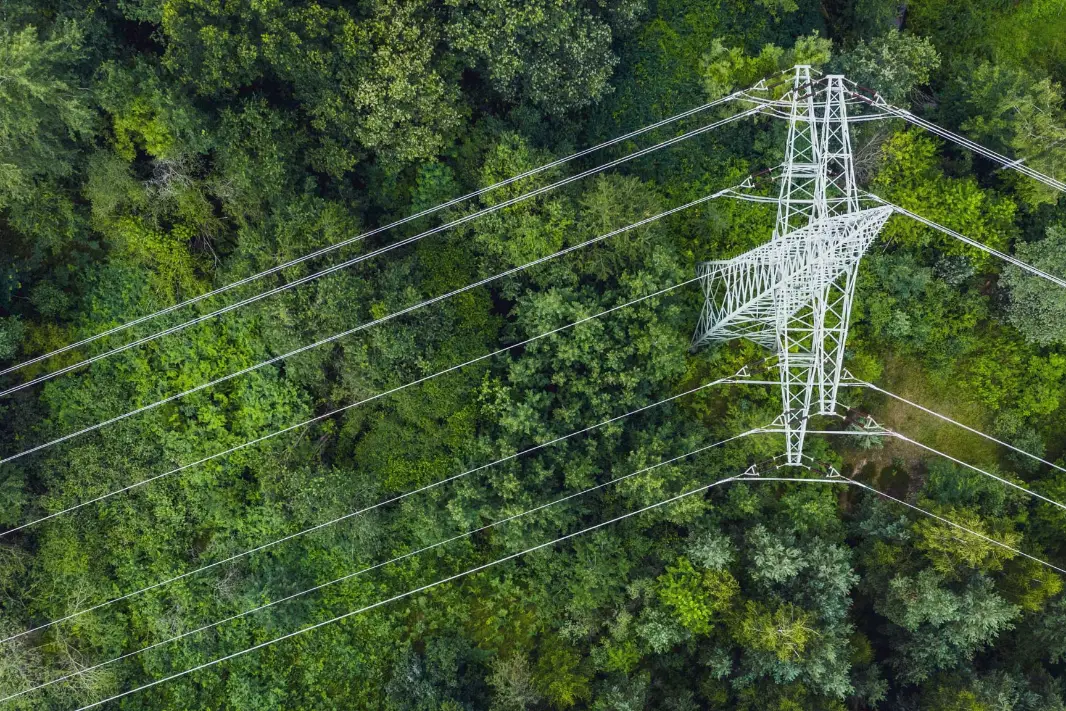
Hintergrund des neuen Gesetzes sind starke Preisausschläge auf den Energiemärkten seit Ende 2021. Die Situation an den europäischen Energiemärkten hat sich zwar inzwischen merklich beruhigt, es verbleiben jedoch Unsicherheiten. Als Reaktion auf diese Entwicklungen hatte das Parlament im Herbst 2022 das Bundesgesetz über subsidiäre Finanzhilfen zur Rettung systemkritischer Unternehmen der Elektrizitätswirtschaft (FiREG), den sogenannten «Rettungsschirm» beschlossen. Er gilt nur bis Ende 2026. Der Rettungsschirm soll darum von anderen Regelungen abgelöst werden. Dazu gehört unter anderem das BATE.
Grosse Wind-, Wasser- und Solarproduktionsanlagen sollen schneller gebaut werden können, um die Stromversorgung in der Schweiz zu sichern. Das will das Parlament mit einer Straffung der Bewilligungs- und Rechtsmittelverfahren erreichen. Auch der Planungsprozess soll einfacher werden. Nach dem Nationalrat hiess auch der Ständerat den sogenannten Beschleu- nigungserlass gut, will aber ein einem Punkt weitergehen. Er will das Verbandsbeschwerde-recht bei einigen Wasserkraftprojekt nicht zulassen. Es geht dabei um die 16 Wasserkraft-projekte, zu denen die Stimmberechtigten im Juni 2024 ja gesagt haben im Rahmen der Abstimmung über das Bundesgesetz für eine sichere Stromversorgung. Das Geschäft geht jetzt wieder zurück in den Nationalrat.
Zugestimmt hat der Ständerat auch dem Solidaritätsabkommen mit Deutschland und Italien über die Gasversorgung. Mit dem Abkommen sollen in einer Gasmangellage geschützte Kundinnen und Kunden, beispielsweise private Haushalte, Spitäler oder Notdienste, mit Gas aus Deutschland oder Italien versorgt werden können. Umgekehrt müsste die Schweiz im Notfall den Nachbarländern aushelfen. Das Geschäft geht nun in den Nationalrat. Das Abkommen unterliegt dem fakultativen Referendum.
Other decisions by the federal government
Measures currently in force are not yet sufficient to reach the long-term energy and climate targets. The Federal Council therefore intends to use consolidation legislation to promote the use of renewable domestic energies and energy efficiency with a view to creating an energy reserve for the winter. The Federal Council has reacted to the currently tense situation on the energy markets with precautionary measures and elements of the consolidation legislation which is currently still being discussed in Parliament.
Furthermore, the Federal Council has adjusted the Energy Efficiency Ordinance with effect from 1 January 2023, so that devices with excessive energy requirements can no longer be sold. With a revision of the Energy Act, Parliament has already brought forward the support measures of the consolidation legislation. To further promote the expansion of renewable energies, the Federal Council has revised the ordinances effective as of 1 January 2023. Among other things, this makes it possible to auction photovoltaic systems.
Parliament has already adopted urgent measures to increase the energy available for the winter and is discussing other new regulations. The changing market environment is likely to provide additional incentives for promoting the production of renewables, more economical consumption, and improved efficiency.
On 23 November 2022, the Federal Council focused on measures to take in case of a severe electricity shortage. The draft ordinances, which regulate usage restrictions and bans, immediate quotas, and grid disconnections, were subject to an accelerated consultation process until 12 December 2022. The basic principles of management measures in case of a power shortage have been known for some time. The measures were substantiated this year and developed together with the business community, the cantons and other affected parties.
In case of a severe power shortage, the measures would be adapted to the severity of the shortage and current situation, and only then would the ordinances come into effect. Should a shortage nevertheless occur, the Federal Council will regulate the power supply with temporary measures. The aim of the interventions is to maintain grid stability and thus ensure the supply of power. Each stage of measures aims to avoid more serious consequences and severe measures. The
escalation levels have been developed in cooperation with the business community and cantons to contain the economic damage as much as possible and to minimise negative effects on competition.
As a further step, end consumers can be allocated quotas with an annual power consumption of at least 100 MWh. This affects over 34,000 major consumers, which account for almost half of Switzerland’s energy consumption. In addition to the large savings potential, focusing on this consumer group has the advantage that measures can be implemented bindingly and their impact measured quickly. As a rule, large consumers have an electricity meter that measures consumption over time and can transmit it automatically to the distribution system operator. End consumers with a lower annual power consumption usually do not yet have this measurement method and are therefore unable to calculate or measure the savings. The quotas are to be applied for a day or a month. In the case of monthly quota allocation, major consumers can use their monthly quota according to their needs. For the winter of 2022/2023, a solution will be developed for companies with facilities in different distribution grids so that they can be allocated throughout Switzerland. The quota system is an essential measure to prevent grid disconnections. As a result, no exemptions are foreseen. However, the economy, and in particular the operators of infrastructures for supplying the country with vital goods and services depend on a flexible use of quotas. For this reason, the Federal Council wants to make it possible to share quotas on a limited basis during this winter. It aims for a comprehensive solution for the winter of 2023/2024.
Special provisions for quota allocation apply to the licensed public transport companies (public transport companies). These are based on the public transport management model in case of a power shortage, which the Federal Railways, as the system manager and operator of its own power grid, has developed with the Association of Public Transport (APT) and the Federal Office of Transport (FOT). A separate ordinance governs how supply-relevant public transport channels can still be maintained.
The switching off the grid is seen as a last resort. This would prevent an extensive collapse of the network and thus a blackout. This would mean alternately switching off individual sub-grid areas in the power grid. Consumer groups providing vital services – such as energy and water supply, emergency services or basic medical services – may be exempt from grid disconnections where technically feasible, but this is likely to occur only in isolated cases. The consequences for the economy and the population would be serious, with severe restrictions. For this reason, every effort is being made to prevent grid disconnections.
At its meeting on 16 December 2022, the Federal Council launched the consultation process on the Federal Act on Supervision and Transparency in the Wholesale Energy Markets. It is the first step to replace the rescue package for system-critical electricity companies, which is set to run until the end of 2026 (a further proposal will follow, which will address equity capital and liquidity requirements in particular). With the new law, the Federal Council aims to improve transparency and supervision, thus strengthening confidence in the integrity of the wholesale energy market and in system stability in the electricity and gas sectors. To this end, the statutory powers in the supervision areas of both the electricity and gas wholesale markets are to be greatly expanded. Market participants must provide ElCom with information on their transactions and trade orders. This enables ElCom to better assess risks in the electricity and gas trading markets as well as the liquidity situation of the companies.
With the new Federal Act, the Federal Council now wants to specifically regulate the following points:
- Insider trading and market manipulation in the wholesale energy trade are prohibited.
- Market participants are obliged to register with ElCom and disclose information on their transactions and trading orders on the energy wholesale market.
- Market participants are obliged to disclose insider information (such as capacity, planned availability and unavailability, as well as about the use of systems for generating and transmitting energy).
- Natural and legal persons resident or domiciled in Switzerland who conclude transactions on the EU wholesale energy market must also transmit information to ElCom that they are already required to publish or provide to the European authorities under European law and to register with ElCom.
- ElCom must collect and evaluate the data, cooperate with other competent authorities in Switzerland and abroad, and exchange information.
- ElCom may enforce the obligations of market participants and sanction breaches thereof.
- Insider trading and market manipulation on the energy wholesale market may be prosecuted by the Federal prosecution authorities.
The new regulations proposed by the Federal Council in its bill submitted for consultation affect companies active in the wholesale trade of electricity and gas, including the national grid company and the operators of the gas transmission network, as well as very large end consumers. The new provisions in principle are in line with EU regulations (Ordinance on the Integrity and Transparency of the Wholesale Energy Market [REMIT]). Parties currently trading internationally thus already meet the requirements of the new act.
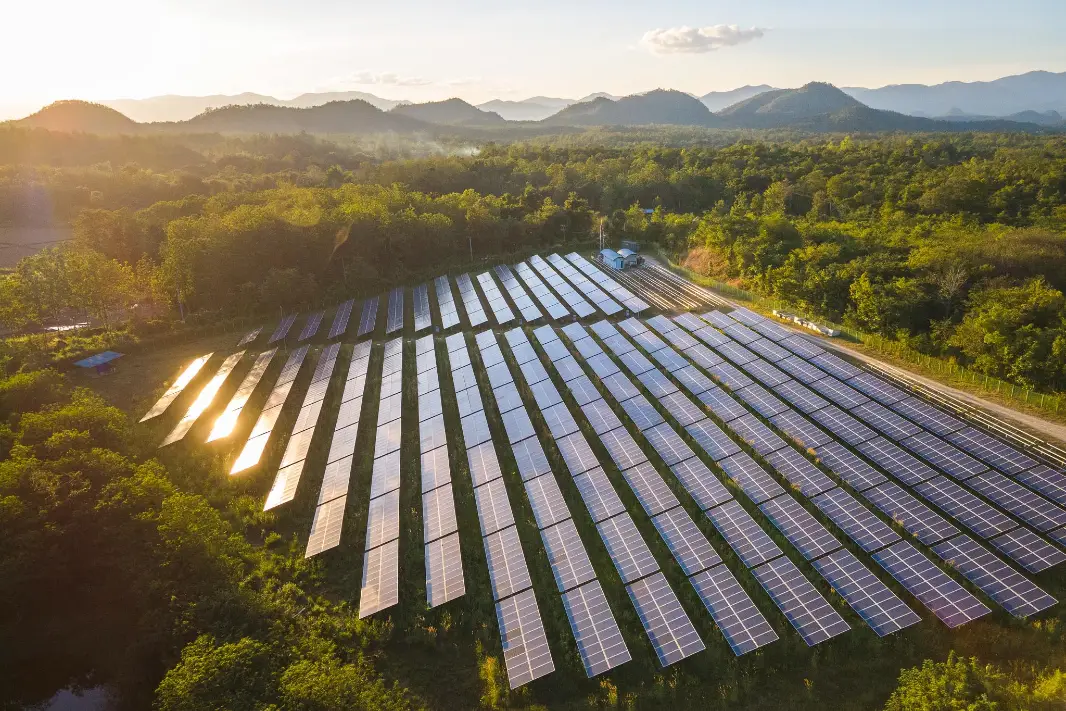
Grundlage der Wasserstoffstrategie ist der Bericht «Wasserstoff. Auslegeordnung und Handlungsoptionen für die Schweiz», den der Bundesrat am 15. November 2023 verabschiedet hat. Die Strategie wurde von einer verwaltungsinternen Begleitgruppe, einer externen Arbeitsgruppe und im Austausch mit der Gasbranche sowie den Kantonen erarbeitet.
Zum Vergleich liegt das Potenzial an Speicherzubau ausserhalb der periglazialen Gebiete nur bei rund 860 GWh pro Jahr. Dies unterstreicht die theoretische zukünftige Bedeutung der periglazialen Gebiete für den Ausbau der inländischen Wasserkraftproduktion. Nach 2050 werden weitere, für die Wasserkraftnutzung geeignete Gebiete eisfrei. Aufgrund des langen Zeithorizontes gibt es dazu jedoch noch keine Projektierungen und es kann kein Potenzial angegeben werden.
Bisher gibt es weltweit nur wenige Photovoltaikanlagen auf Stauseen oder Staumauern. In der Schweiz sind es sieben Anlagen (schwimmend: Lac de Toules, auf Staumauer: Lägh da l’Albigna, Muttsee, Lago di Lei, Räterichsbodensee, Oberaarsee und Lac de l’Hongrin). Das technische Potenzial zur Erzeugung von Solarstrom aller schweizerischen Stauseen, Staumauern und Dämme liegt bei insgesamt rund 4,6 Terawattstunden (TWh), was ca. 8 % des heutigen Stromverbrauchs entspricht. Der Bundesrat verzichtet auf weitere Massnahmen, da die rechtlichen Rahmenbedingungen den Bau solcher Anlagen grundsätzlich ermöglichen und auch Förderinstrumente zur Verfügung stellen.
Consultation processes on energy policy issues
The consultation process is the stage within the preliminary legislative procedure in which federal projects of significant political, financial, economic, ecological, social or cultural significance are reviewed for factual accuracy, feasibility and acceptance. For this purpose, the proposal will be submitted to the cantons, parties represented in the Federal Assembly, umbrella associations of communes, cities, mountain areas, umbrella associations of businesses, and other individual interest groups.
Amendments to ordinances in the area of the SFOE with entry into force on 1 July 2023
The Federal Department of the Environment, Transport, Energy and Communications (DETEC) is conducting a consultation process on the planned partial revisions of the Energy Efficiency Ordinance (EnEO), the Energy Promotion Ordinance (EnFV), the Pipelines Ordinance (PipeO), and the DETEC Ordinance on Proof of Origin and Electricity Labelling (HKSV).
Deadline: 20 December 2022
Revision der Stromversorgungsverordnung (Verzinsung des Kapitals im Stromnetz und in geförderten Anlagen zur Stromerzeugung aus erneuerbaren Energien – WACC)
Der Bundesrat hat am 14. Juni 2024 das Eidgenössische Departement für Umwelt, Verkehr, Energie und Kommunikation (UVEK) beauftragt, ein Vernehmlassungs-verfahren zur Revision der Stromversorgungsverordnung (StromVV; SR 734.71) durchzuführen.
Frist: 4. Oktober 2024
Phase: Abgeschlossen – abwarten des Ergebnisberichts
Änderung der Raumplanungsverordnung und des Bundesgesetzes über eine sichere Stromversorgung mit erneuerbaren Energien
Die Vernehmlassungsvorlage enthält die Ausführungsbestimmungen zur zweiten Etappe der Teilrevision des Raumplanungsgesetzes (RPG 2) und zu Teilen des Bundesgesetzes über die sichere Stromversorgung mit erneuerbaren Energien. Diese Gesetzesanpas-sungen wurden von der Bundesversammlung am 29. September 2023 beschlossen.
Frist: 9. Oktober 2024
Phase: Abgeschlossen – abwarten Stellungnahmen und/oder des Ergebnisberichts
Änderung des Elektrizitätsgesetzes (Beschleunigung beim Aus- und Umbau der Stromnetze)
Um den Aus- und Umbau der Stromnetze zu beschleunigen, ist das Elektrizitätsgesetz vom 24. Juni 1902 sowie das StromVG vom 23. März anzupassen.
Frist: 17. Oktober 2024
Phase: Abgeschlossen – abwarten des Ergebnisberichts
Ausführungsbestimmungen zum CO2-Gesetz für die Zeit nach 2024
Die CO2-Verordnung legt die Reduktionsziele für den Treibhausgas-Ausstoss der verschiedenen Sektoren bis 2030 fest und konkretisiert Massnahmen, die das Parlament mit der Revision des CO2-Gesetzes im März 2024 beschlossen hat.
Frist: 17. Oktober 2024
Phase: Abgeschlossen – abwarten des Ergebnisberichts
Verordnungsänderungen im Bereich des BFE mit Inkrafttreten am 1. Juli 2025
Das UVEK führt zur Revision der Kernenergieverordnung (KEV), der Energieeffizienzverordnung (EnEV), zur Rohrleitungssicherheitsverordnung (RLSV) sowie zur Rohrleitungsverordnung (RLV) ein Vernehmlassungsverfahren durch.
Frist: 20. Dezember 2024
Phase: Abgeschlossen – abwarten Stellungnahmen und/oder des Ergebnisberichts